


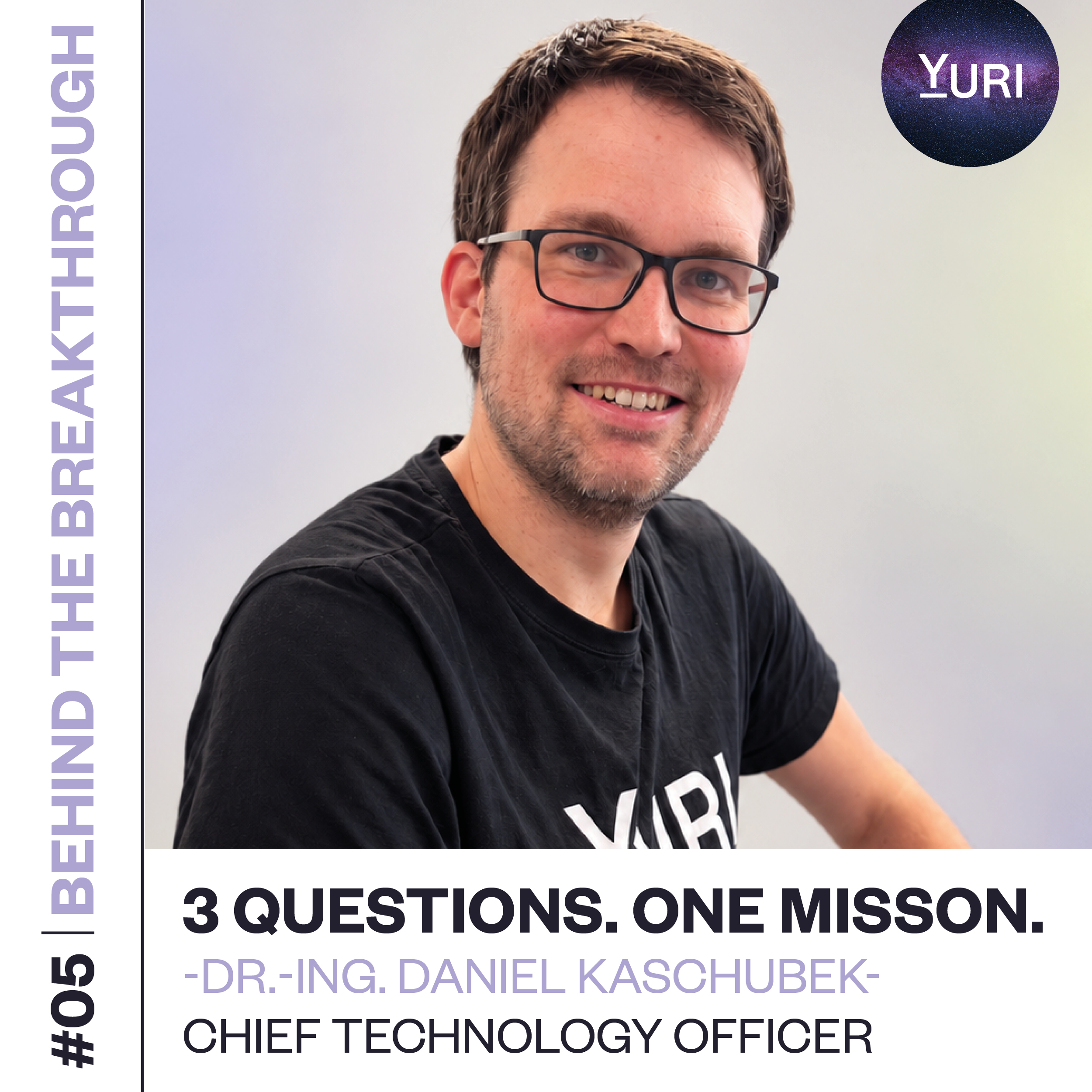
#5 Dr.-Ing. Daniel Kaschubek - Chief Scientific Officer
𝗕𝗘𝗛𝗜𝗡𝗗 𝗧𝗛𝗘 𝗕𝗥𝗘𝗔𝗞𝗧𝗛𝗥𝗢𝗨𝗚𝗛
3 questions. One perspective. Zero gravity.
💬 𝟬𝟭 | 𝗬𝗼𝘂’𝘃𝗲 𝘀𝗽𝗲𝗻𝘁 𝘆𝗼𝘂𝗿 𝗰𝗮𝗿𝗲𝗲𝗿 𝗲𝗻𝗴𝗶𝗻𝗲𝗲𝗿𝗶𝗻𝗴 𝘀𝘆𝘀𝘁𝗲𝗺𝘀 𝗳𝗼𝗿 𝘀𝗽𝗮𝗰𝗲. 𝗪𝗵𝗮𝘁 𝗺𝗮𝗸𝗲𝘀 𝗯𝘂𝗶𝗹𝗱𝗶𝗻𝗴 𝘁𝗲𝗰𝗵𝗻𝗼𝗹𝗼𝗴𝘆 𝗳𝗼𝗿 𝗯𝗶𝗼𝗹𝗼𝗴𝗶𝗰𝗮𝗹 𝗿𝗲𝘀𝗲𝗮𝗿𝗰𝗵 𝗳𝘂𝗻𝗱𝗮𝗺𝗲𝗻𝘁𝗮𝗹𝗹𝘆 𝗱𝗶𝗳𝗳𝗲𝗿𝗲𝗻𝘁 𝗳𝗿𝗼𝗺 𝗯𝘂𝗶𝗹𝗱𝗶𝗻𝗴 “𝗰𝗹𝗮𝘀𝘀𝗶𝗰” 𝘀𝗽𝗮𝗰𝗲 𝗵𝗮𝗿𝗱𝘄𝗮𝗿𝗲?
“In conventional space engineering, we control the technical system. In space biotech, biology becomes part of it, and its limits aren't always understood. Human cells are typically cultivated at 37°C. In space, power interruptions and complex operations create uncertainties about temperature tolerance. This makes requirements harder to define and demands more testing to ensure biology and hardware work together reliably.”
💬 𝟬𝟮 | 𝗔 𝗯𝗶𝗼𝘁𝗲𝗰𝗵 𝗿𝗲𝘀𝗲𝗮𝗿𝗰𝗵𝗲𝗿 𝘀𝗵𝗼𝘂𝗹𝗱𝗻’𝘁 𝗻𝗲𝗲𝗱 𝘁𝗼 𝗯𝗲𝗰𝗼𝗺𝗲 𝗮 𝘀𝗽𝗮𝗰𝗲 𝗲𝗻𝗴𝗶𝗻𝗲𝗲𝗿 𝘁𝗼 𝗿𝘂𝗻 𝗮𝗻 𝗲𝘅𝗽𝗲𝗿𝗶𝗺𝗲𝗻𝘁 𝗶𝗻 𝗺𝗶𝗰𝗿𝗼𝗴𝗿𝗮𝘃𝗶𝘁𝘆. 𝗪𝗵𝗮𝘁 𝗵𝗮𝘀 𝘁𝗼 𝗵𝗮𝗽𝗽𝗲𝗻 𝘁𝗲𝗰𝗵𝗻𝗼𝗹𝗼𝗴𝗶𝗰𝗮𝗹𝗹𝘆 𝘁𝗼 𝗺𝗮𝗸𝗲 𝗮𝗰𝗰𝗲𝘀𝘀 𝘁𝗼 𝘀𝗽𝗮𝗰𝗲 𝗳𝗲𝗲𝗹 𝗮𝗹𝗺𝗼𝘀𝘁 𝗮𝘀 𝘀𝘁𝗿𝗮𝗶𝗴𝗵𝘁𝗳𝗼𝗿𝘄𝗮𝗿𝗱 𝗮𝘀 𝘄𝗼𝗿𝗸𝗶𝗻𝗴 𝘄𝗶𝘁𝗵 𝗮 𝗹𝗮𝗯𝗼𝗿𝗮𝘁𝗼𝗿𝘆 𝗼𝗻 𝗘𝗮𝗿𝘁𝗵?
“Yuri handles the space engineering so researchers can focus on their experiments. Replicating an Earth-based lab in space would require affordable crew time or teleoperated robotics. But automation could eventually make space experiments less labor-intensive than those on Earth. Since astronaut time is costly, our facilities already perform many experimental workflows autonomously – an approach increasingly relevant to Earth-based labs too.”
💬 𝟬𝟯 | 𝗟𝗼𝗼𝗸𝗶𝗻𝗴 𝗮𝘁 𝗽𝗹𝗮𝘁𝗳𝗼𝗿𝗺𝘀 𝘀𝘂𝗰𝗵 𝗮𝘀 𝗦𝗰𝗶𝗲𝗻𝗰𝗲𝗧𝗮𝘅𝗶 𝗮𝗻𝗱 𝗬𝘂𝗿𝗶’𝘀 𝗮𝘂𝘁𝗼𝗺𝗮𝘁𝗲𝗱 𝗯𝗶𝗼𝗿𝗲𝗮𝗰𝘁𝗼𝗿𝘀: 𝘄𝗵𝗶𝗰𝗵 𝘁𝗲𝗰𝗵𝗻𝗼𝗹𝗼𝗴𝗶𝗰𝗮𝗹 𝗱𝗲𝘃𝗲𝗹𝗼𝗽𝗺𝗲𝗻𝘁 𝗱𝗼 𝘆𝗼𝘂 𝘁𝗵𝗶𝗻𝗸 𝘄𝗶𝗹𝗹 𝗺𝗮𝗸𝗲 𝘁𝗵𝗲 𝗯𝗶𝗴𝗴𝗲𝘀𝘁 𝗱𝗶𝗳𝗳𝗲𝗿𝗲𝗻𝗰𝗲 𝗶𝗻 𝘁𝘂𝗿𝗻𝗶𝗻𝗴 𝗺𝗶𝗰𝗿𝗼𝗴𝗿𝗮𝘃𝗶𝘁𝘆 𝗿𝗲𝘀𝗲𝗮𝗿𝗰𝗵 𝗳𝗿𝗼𝗺 𝗶𝗻𝗱𝗶𝘃𝗶𝗱𝘂𝗮𝗹 𝗺𝗶𝘀𝘀𝗶𝗼𝗻𝘀 𝗶𝗻𝘁𝗼 𝗿𝗲𝗽𝗲𝗮𝘁𝗮𝗯𝗹𝗲 𝗥&𝗗?
“With platforms like ScienceTaxi, weve already demonstrated that automated, repeatable microgravity experiments are technically possible. The bigger bottleneck is access to space. Biological payloads often need to be installed just 24–48 hours before launch, as in the ISS program, while many launch providers require delivery months in advance. Returning samples to Earth for analysis is another challenge, as suitable return options remain limited. New capsules are being developed, but their availability and launch operations remain challenging. In my view, solving these logistical constraints is currently more critical for routine microgravity R&D than further advances in the experimental hardware itself.”